Cart
0

Building an income-generating project starts with more than a good idea. It requires thoughtful planning, useful information, the right tools, and a structured approach to turning ideas into action.
Whether you're exploring online business, digital products, ecommerce, investing, or other income opportunities, choosing appropriate educational resources can help you organize your research and work more efficiently.
At CPI Digital Hub, we believe digital resources should make learning, planning, and implementation more accessible.
1. Start With a Clear Goal
Before choosing a workbook, calculator, template, or educational guide, identify what you want to accomplish.
Are you looking to explore a new business opportunity? Improve an existing workflow? Organize financial information? Or learn more about a particular income model?
A clearly defined goal makes it easier to select resources that match your current needs.
For example:
-
Online business: Explore business planning guides, marketing templates, and operational tools.
-
Ecommerce: Consider product research checklists, profitability calculators, and inventory planning resources.
-
Real estate: Look for property analysis tools, rental income worksheets, and investment planning resources.
-
Digital products: Explore content planning templates, product development guides, and marketing resources.
-
Investing: Use educational guides, portfolio trackers, and market research workbooks to organize information.
The goal is not to collect as many resources as possible. It's to find tools that serve a specific purpose.
2. Understand Different Types of Digital Resources
Different resources support different stages of learning and implementation.
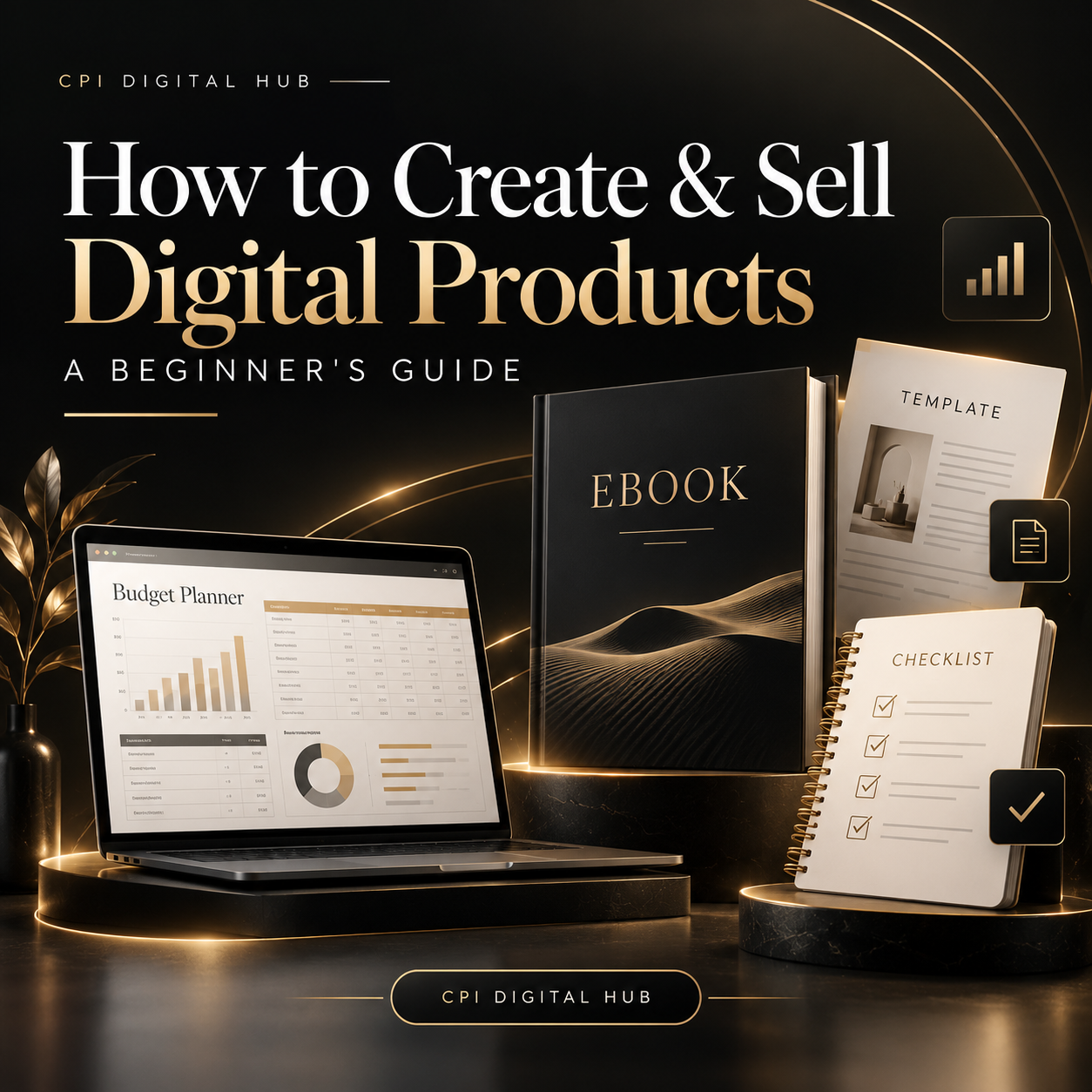
Ebooks and Educational Guides
Ebooks and guides help introduce concepts, explain processes, and provide structured information about a particular topic.
They are useful when you want to develop foundational knowledge before making decisions.
Templates and Workbooks
Templates and workbooks provide organized formats for recording information, planning projects, and managing recurring tasks.
Instead of starting from a blank page, you can work within an existing structure and adapt it where the product's format and license permit.
Calculators and Spreadsheets
Calculators and spreadsheets help organize numerical information, compare assumptions, and evaluate potential scenarios.
They can support budgeting, financial planning, pricing analysis, and other research activities.
Trackers and Dashboards
Trackers and dashboards can help monitor progress, organize performance indicators, and maintain visibility over ongoing projects.
These resources are particularly useful when you want a consistent process for reviewing information.
3. Choose Resources That Work Together
One resource may help you understand a concept, while another helps you apply it.
For example, someone exploring short-term rental opportunities might use an educational guide to understand the business model, a deal-analysis calculator to examine assumptions, and a cash-flow workbook to organize potential expenses and revenue.
Together, these resources can support a more connected planning process.
When choosing digital tools, consider whether they complement your existing resources rather than duplicate information you already have.
4. Check What's Included Before Purchasing
Not every digital resource offers the same features or level of customization.
Before buying, take time to check:
-
The product's intended purpose
-
The actual files and resources included
-
Supported file formats and software compatibility
-
Whether the resource is editable
-
The intended experience level
-
Any applicable licensing restrictions
A PDF guide, for example, may be designed primarily for reading, while an Excel workbook may include editable input fields and calculations.
Understanding these differences helps you make a more informed purchase.
5. Build a Consistent Learning and Implementation Routine
Purchasing resources is only one part of the process. How you use them matters just as much.
Start with a manageable routine:
-
Choose one goal or project to focus on.
-
Identify the information you need.
-
Select an appropriate resource.
-
Set aside time to work through the material.
-
Record your observations and progress.
-
Revisit your plan as you learn more.
A consistent routine can help reduce scattered planning and make your work easier to organize.
Remember that educational resources support learning and decision-making. They do not guarantee business success, investment returns, or passive income.
6. Focus on Long-Term Skills and Sustainable Progress
There is no universal formula for creating income.
Different business models require different levels of time, investment, experience, and ongoing involvement.
Developing skills in research, planning, financial awareness, marketing, and operations can help you approach opportunities more thoughtfully.
Rather than chasing quick results, focus on understanding the process, evaluating realistic assumptions, and developing useful habits.
Explore Digital Resources at CPI Digital Hub
CPI Digital Hub offers a growing collection of digital guides, templates, calculators, workbooks, trackers, and resource bundles designed to support learning, planning, and implementation across a variety of topics.
Whether you're exploring a new idea or organizing an existing project, finding resources that match your goals is an important first step.
Explore CPI Digital Hub's digital resource collection and discover tools that fit your next project.